The call
A new client reached me through a referral, the kind of introduction I take very seriously. She was opening a wellness center and had found a building in a good location. By the time she called, she was already under contract.
The building had been an insurance office. Location aside, it was the wrong kind of space for wellness: turning an office into treatment rooms, a spa atmosphere and proper bathrooms would take a great deal of work.
Start with the business, not the finishes
Before talking about a single color, I asked the questions a design depends on. Who will rent these rooms? An esthetician, a hair stylist and a chiropractor each need something different. My advice was simple: lease the rooms first, then design them for the people who will actually use them.
I also talked honestly with her about budget, because the scope a property needs and the budget available have to meet before design can begin. Sometimes the wiser first step is a smaller space you can lease, a place to prove the concept before investing in a building.
Where design could add value
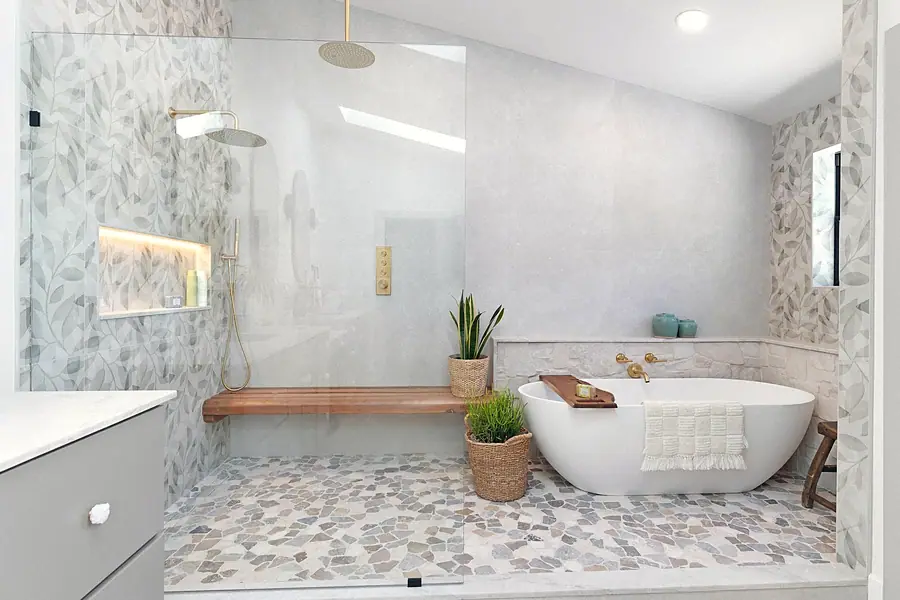
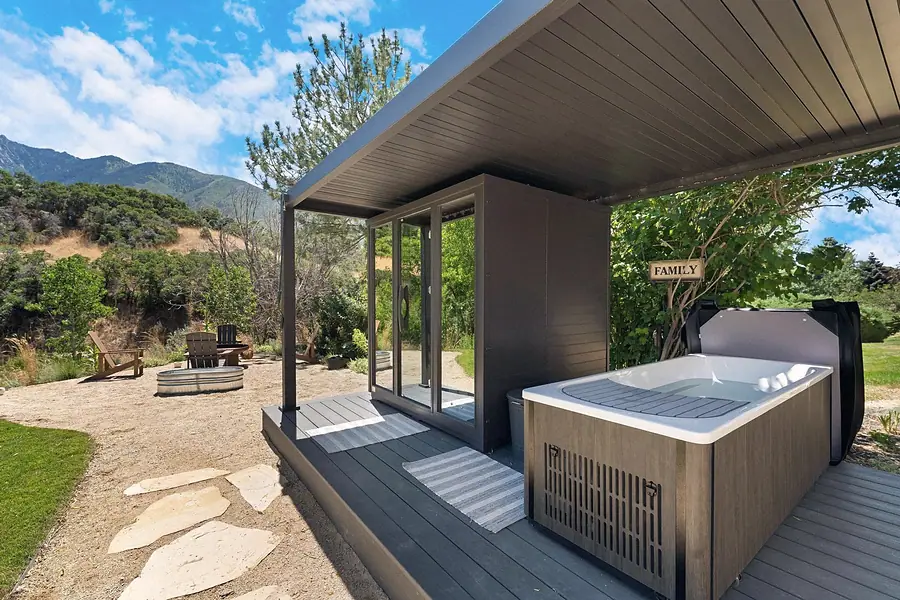
The existing bathroom wasn’t right for a wellness business. In my concept I reimagined it and proposed adding a sauna. It could be offered on its own or alongside other services: a client comes in for a massage and stays for the sauna. That opened the idea of a membership, a design choice that could also bring in steady income.
What I delivered
- A concept for the property: the big moves, without defining every detail yet.
- An interior design plan for the bathroom: a playbook she could follow to implement it.
- A path to the next step: furniture and furnishings, chosen to bring the concept to life.
All of it came out of about a full day of focused work.
The lesson
A design consultation is often a business conversation first. If you are buying a property for a business, talk to your designer before you sign. The right building, a clear plan for who will use it, and a realistic budget are what make the design possible.